6 Creative Teaching Strategies to Increase Student Engagement
You know that magical moment when a parent says:
“What did you DO today? My child would not stop talking about your class.”
That’s the goal, right?
Not just “they finished the worksheet.”
Not just “we covered the standard.”
But the kind of learning that shows up at the dinner table.
The truth? It’s usually not the fanciest lesson. It’s the one that made kids feel something.
We want to share 6 creative teaching strategies to increase student engagement and spark conversation at home.
1. A Little Bit of Drama Goes a Long Way
You don’t need a full classroom transformation (unless that’s your thing).
Sometimes it’s as simple as:
- Walking in and whispering, “Something strange happened in here last night…”
- Dropping a mysterious envelope on a desk.
- Saying, “I’m not sure I agree with the main character.”
Kids lean in when something feels slightly unexpected. And when something feels different? They remember it.They won’t go home and say, “We worked on main idea.”
They’ll say, “Our teacher thinks the main character was WRONG.”
That’s the hook.
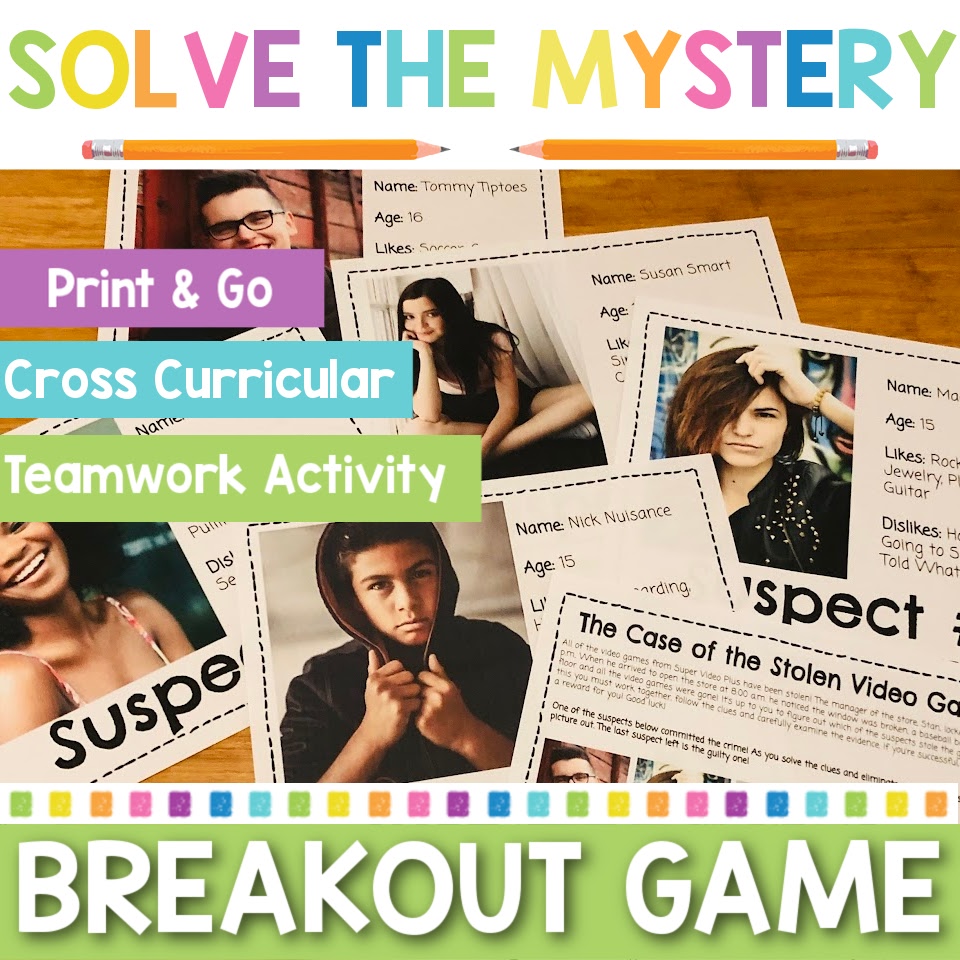
This is why doing an activity like an escape room or breakout game like our Solve the Mystery Escape Room is so engaging for students. We begin by saying that someone has stolen the video games and it is their job to figure out who the guilty suspect is.
You would be amazed how much work students are willing to do in order to solve a mystery. It’s as simple as putting them in the role of the detective.
2. The “Teacher Did WHAT?” Lesson
Do something slightly out of the ordinary.
Start class dressed as a historical figure.
Turn your room into a crime scene for a reading inference lesson.
Flip all the desks upside down before students walk in and say, “Something happened here…”
When you introduce content with mystery or surprise, students instantly lean in. And later? They retell the story.
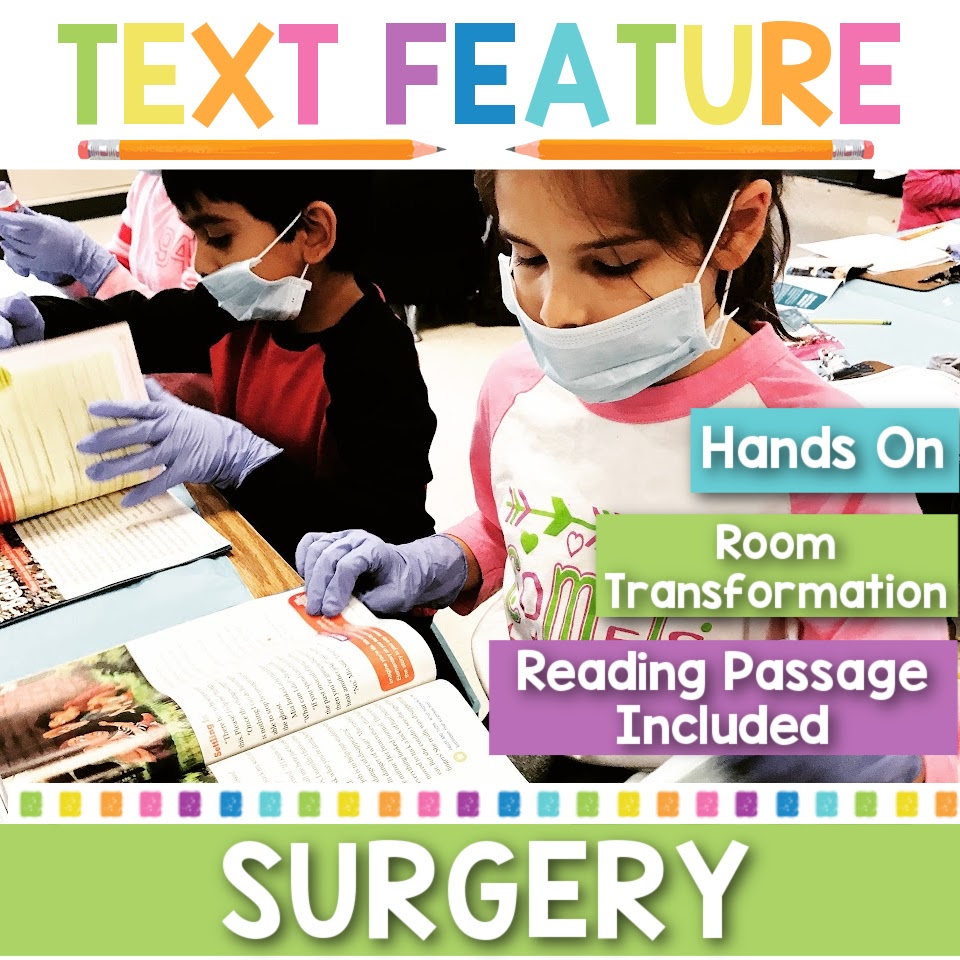
Kids don’t go home and say, “We practiced text features.” They say, “Our teacher turned the classroom into a hospital and we were the surgeons!” This is why our Nonfiction Text Feature Surgery is so popular.
Just taking a little bit of extra time to transform the classroom makes them feel as if they are part of something exciting! Surprise creates memory. Memory creates conversation.
3. Let Them Disagree (On Purpose)
Kids LOVE to have opinions.
So give them something worth arguing about:
Was the character brave or just lucky?
Should homework be banned?
Which invention changed the world the most?
Let them move around the room. Let them defend their thinking. Let them change their minds.
When kids get to have a voice, they replay that conversation later. And trust us — someone is absolutely continuing that debate at home.
You want to get kids debating? Ask them whether or not Bigfoot is real! That is one of the mysteries from our Historical Mysteries Nonfiction Unit that will have your students talking.

4. Make Them Say “Wait… What?!”
When students see something that amazes or surprises them, those are the moments that stick.
Show them how much sugar is actually in their favorite drink.
Read a short story with a twist ending.
Do a science demo that feels like magic.
Share a surprising fact that flips what they thought they knew.
Awe creates memory. And memory turns into “Mom, did you know…?”
These Renewable and Nonrenewable Energy STEM experiments get students excited about what can feel like a boring topic. As they watch science happening in front of their eyes, learning comes alive for them.

Grab a FREE Cookie Coal Mining STEM Activity from this resource by clicking below:
5. Connect It to Their Real Life
Instead of keeping everything inside the textbook, pull it closer.
Ask:
Would YOU have survived in that time period?
What would YOU have done in that situation?
How would this law affect your family?
When it becomes personal, it becomes more real. And real learning goes home with them.
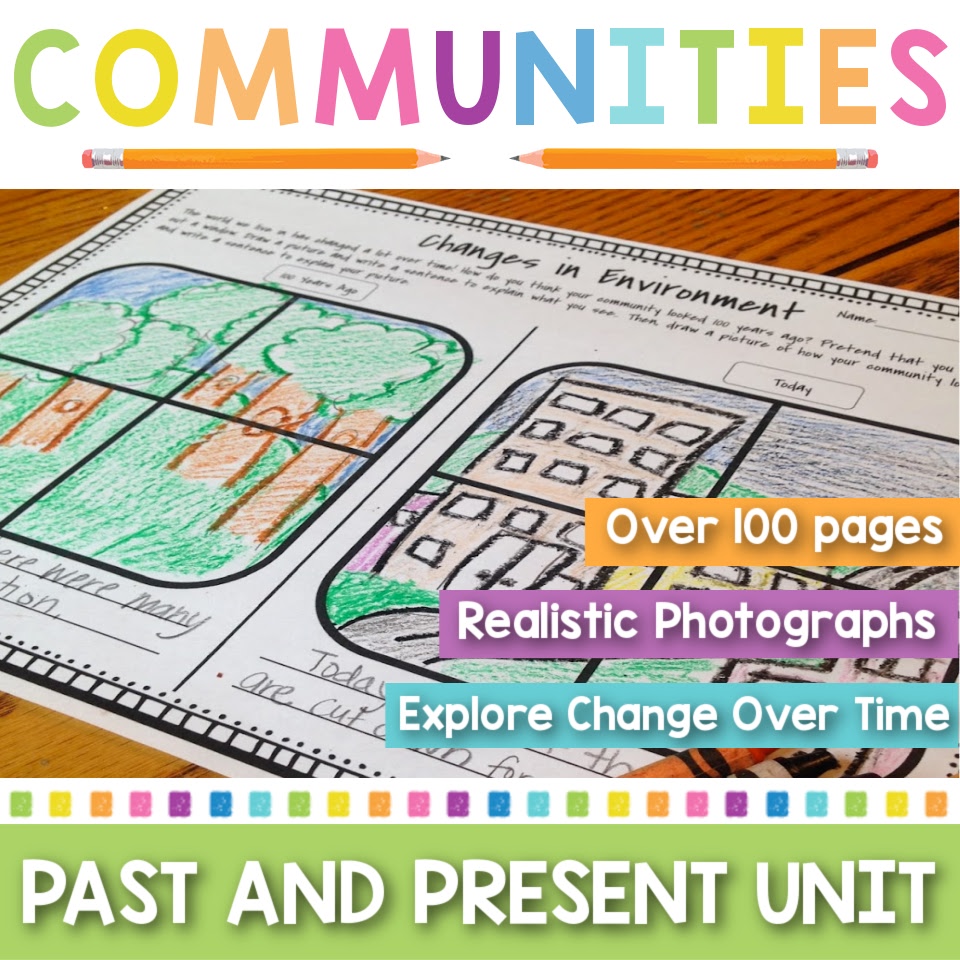
Having students think of themselves in a one room schoolhouse and wonder about what it would have been like 100 years ago, like in our Communities Past and Present Unit, makes it feel more real for them.
6. Bring the Real World into the Classroom
There’s something powerful about connecting what you’re teaching to what students are already seeing and hearing outside of school.
When a topic is already part of their world, you don’t have to work as hard to get their attention—you just have to tap into it.
Think about things like:
- Big events people are talking about
- Seasonal happenings
- Community news
- Popular trends or shared experiences
When you bring those into your classroom, learning instantly feels more relevant. It shifts from “school work” to real life.
Students feel like they’re part of what’s going on, not just learning about something in isolation. That connection is what makes learning stick—and what turns your classroom into something they can’t wait to tell someone about.
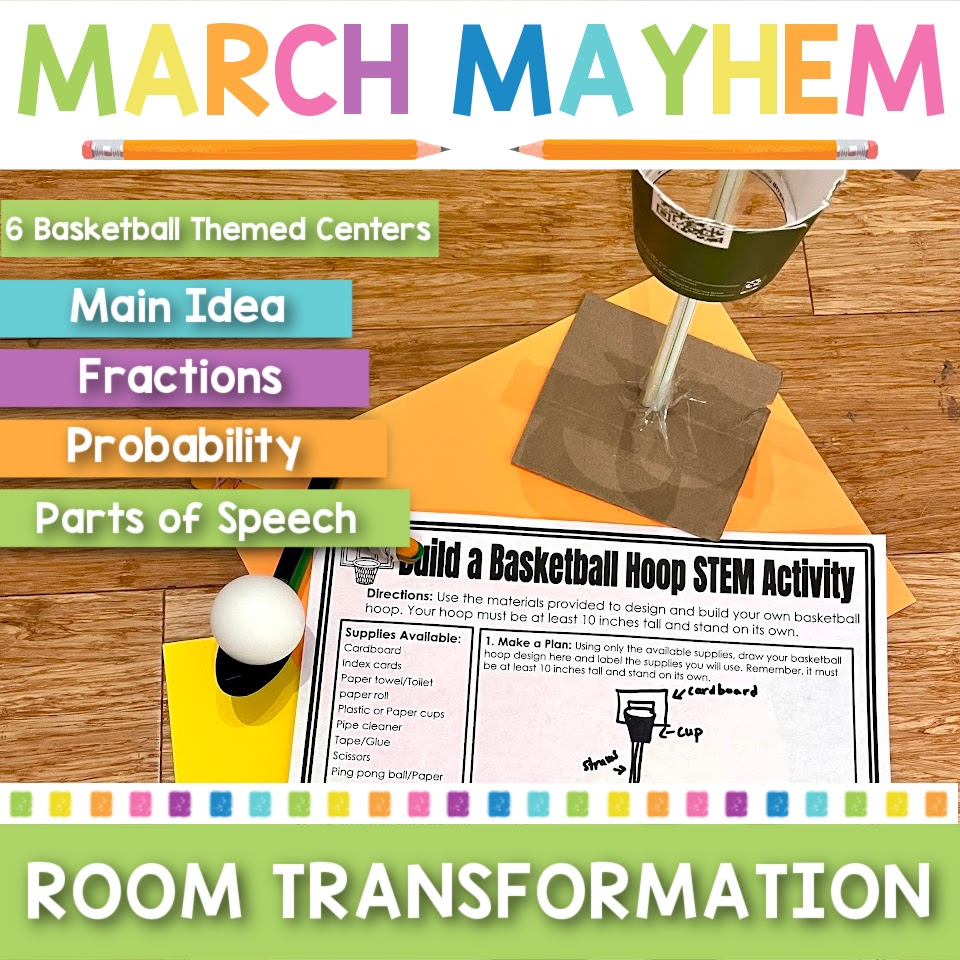
In our March “Mayhem” resource, we bring the fun of March Madness into the classroom and students are excited to be able to add to the conversation at home.
Here’s the real secret, it’s not about being Pinterest-perfect. It’s not about reinventing every lesson. It’s about creating moments.
Moments of surprise. Moments of debate. Moments of awe. Moments where kids feel seen and heard.
Those are the engaging lessons that kids can’t stop talking about at home.
And honestly? When learning spills into the real world, that’s when it’s doing exactly what it’s supposed to do.
Want to get an in-depth look into a few of the ideas mentioned above? Check out these blog posts!